
 Canada
 USA
USA Japan
Japan


Replace evaporator coil and recharge refrigerant

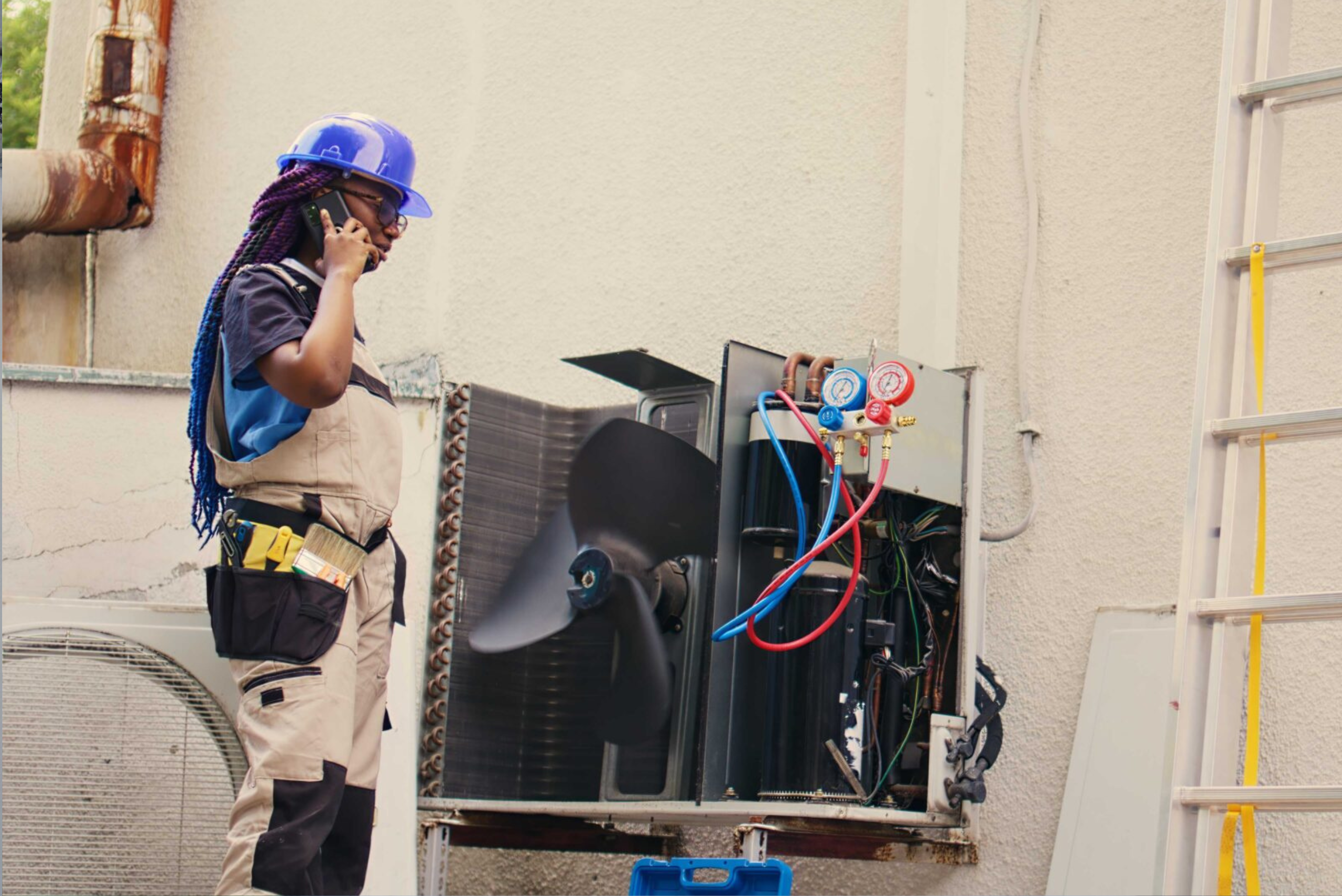
After long-term use, air conditioners may lose efficiency — showing signs such as weak cooling, frost buildup, or water leakage. These issues are often a sign that your unit is running low on refrigerant (gas).
When this happens, it’s important to contact a reliable AC gas refill service provider as soon as possible to avoid further damage.
KIONLE, with transparent pricing and professional service, is a trusted option for your air conditioner gas refill needs.
What Is Air Conditioner Refrigerant?
Air conditioner refrigerant, also known as cooling gas, is a crucial component of any air conditioning system. It plays a direct role in the unit's cooling performance. Refrigerant works by continuously evaporating and condensing within the system, transferring heat from warmer areas to cooler ones.
When the refrigerant absorbs heat, it evaporates into a gas; when it releases heat, it condenses back into a liquid. This ongoing cycle allows the air conditioner to effectively cool the air, delivering a refreshing breeze and maintaining the desired temperature in your living or working space.
Common Types of Refrigerant Gas Used in Air Conditioners
There are three main types of refrigerant gases currently used by air conditioning manufacturers worldwide
R32 Refrigerant
R32 is a next-generation refrigerant that is eco-friendly and widely used in modern AC units. It meets the Global Warming Potential (GWP) standard, offers high cooling efficiency, helps save energy, and has a lower environmental impact, making it a preferred choice for sustainability-focused systems.
R410A Refrigerant
R410A is a non-ozone-depleting refrigerant commonly used as a replacement for R22 in newer air conditioning systems. It provides strong and stable cooling performance. However, due to its higher pressure, it requires specialized equipment and handling, though it delivers better energy efficiency compared to R22.
R22 Refrigerant
Also known as Freon, R22 was once the most commonly used refrigerant in older air conditioners. However, due to its harmful effects on the ozone layer, R22 is now being phased out and replaced by more environmentally friendly alternatives. Its use is restricted in many regions and no longer recommended for new systems.
Why Is AC Gas Refilling Necessary?
Regularly refilling your air conditioner's refrigerant is essential for maintaining its performance, energy efficiency, and overall durability. Here’s why it matters
Energy Efficiency and Cost Savings
Low refrigerant levels reduce cooling performance, causing the unit to work harder and consume more electricity. Refilling the gas helps your AC operate efficiently, reducing energy usage and lowering your electricity bills.
Extends the Lifespan of the AC
A compressor forced to run under low gas pressure can overheat and become damaged. Timely gas refills protect the compressor, reduce the risk of costly repairs, and extend the lifespan of your air conditioner.
Maintains Cooling Performance
Without enough gas, your AC may fail to cool properly, cycle on and off irregularly, or leak water from the indoor unit. Refilling the refrigerant restores stable operation and ensures consistent, effective cooling.
Required During Installation or Relocation
Gas refilling is often necessary when installing a new AC unit, relocating it, or after disassembly. Although most new units come pre-filled, it's important to check and top up the gas if needed to prevent leaks or performance loss.
Common Causes of Refrigerant Leaks in Air Conditioners
When an air conditioner runs low on refrigerant (gas), it’s often due to one or more of the following issues — commonly encountered by our team of HVAC experts
Leaking Flare Connections
Loose or worn flare connections are a frequent cause of gas leakage. This may be due to weather exposure or material degradation over time.
Leaks in the Outdoor or Indoor Coil
Gas may escape from the indoor or outdoor unit due to manufacturing defects or natural corrosion of the metal components over extended use.
Copper Pipe Leaks
Frost buildup on the copper pipes is a common indicator of a refrigerant leak. As the frost melts, it can lead to moisture on walls or surrounding areas, signaling a gas issue.
Equipment Aging
Older AC units or those used for many years can suffer from rusted components, cracked pipes, or worn-out seals, all contributing to gas loss.
Loose Fittings or Joints
Improper installation or loosely connected joints can allow refrigerant to escape. Ensuring tight and secure connections is crucial during setup.
Improperly Sealed Valves
Valves that aren’t fully tightened or become misaligned due to impacts or poor installation can allow gas to escape through small gaps.
Incorrect Gas Refilling Procedures
Filling gas incorrectly — such as using the wrong type, quantity, or not following standard procedures — can result in poor cooling performance and refrigerant waste. Proper refilling must follow technical guidelines to ensure system efficiency.
Standard AC Gas Refill Procedure by KIONLE
Step 1: Connect the Manifold Gauge to the Outdoor Unit and Gas Cylinder
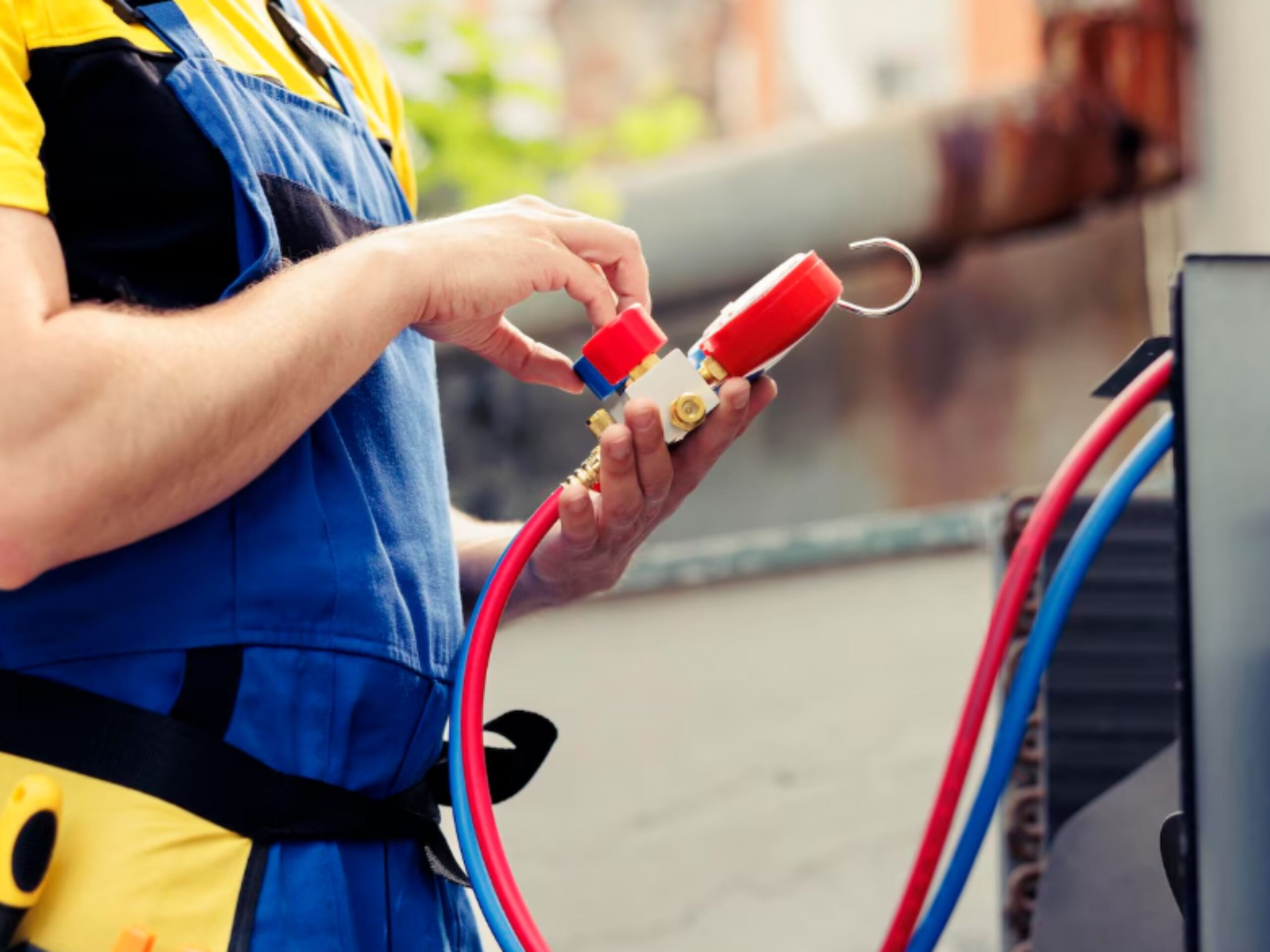
Using a screwdriver and wrench, the technician removes the service port cap on the outdoor unit to connect the manifold gauge and refrigerant tank. While opening the unit, the technician also checks for potential gas leaks. If any leakage is detected, they will repair the pipe or replace the copper tubing as needed.
Step 2: Measure the Current Gas Level
Once connected, the technician uses the gauge to measure how much refrigerant is remaining in the system and compares it to the manufacturer’s recommended level.
Step 3: Vacuum the System
Vacuuming removes all air and moisture from the AC’s refrigerant lines. When the pressure gauge reaches a negative value, the technician closes the valve and lets the system sit for 20–40 minutes. When the pressure stabilizes at 0, the system is considered air-free and ready for gas charging.
Step 4: Refill the Gas
To refill the gas effectively, the technician fully opens the valve on the refrigerant tank and sets the manifold gauge pressure to 250 psi. The gas is then released into the system for about 15–20 seconds. Once the pressure and temperature readings align with the specifications listed on the AC unit, the technician closes the valve to stop the flow.
Step 5: Reassemble and Test the AC Unit
All components are reassembled to their original state. The technician then runs a full test to ensure the air conditioner is operating properly and efficiently.
Important Notes During AC Gas Refill
Use the Correct Type of Refrigerant:
Always use the refrigerant type specified for your air conditioner. Using the wrong type can damage the system and reduce cooling efficiency.
Check for Leaks:
Ensure there are no leaks before starting the refill. Even a small leak can cause rapid gas loss and waste resources.
Monitor System Performance:
After refilling, observe the AC for unusual behavior to catch issues early.
Use Certified Equipment:
Only use genuine gauges, vacuum pumps, and refill tools to ensure accuracy and safety.
Record Key Data:
Log details such as refrigerant type, refill quantity, and system pressure to help with future maintenance.
Follow Safety Protocols:
Always comply with safety standards when handling refrigerants and electrical equipment to avoid accidents.